The Most Common Mechanical Issues Found During Emergency Vehicle Audits
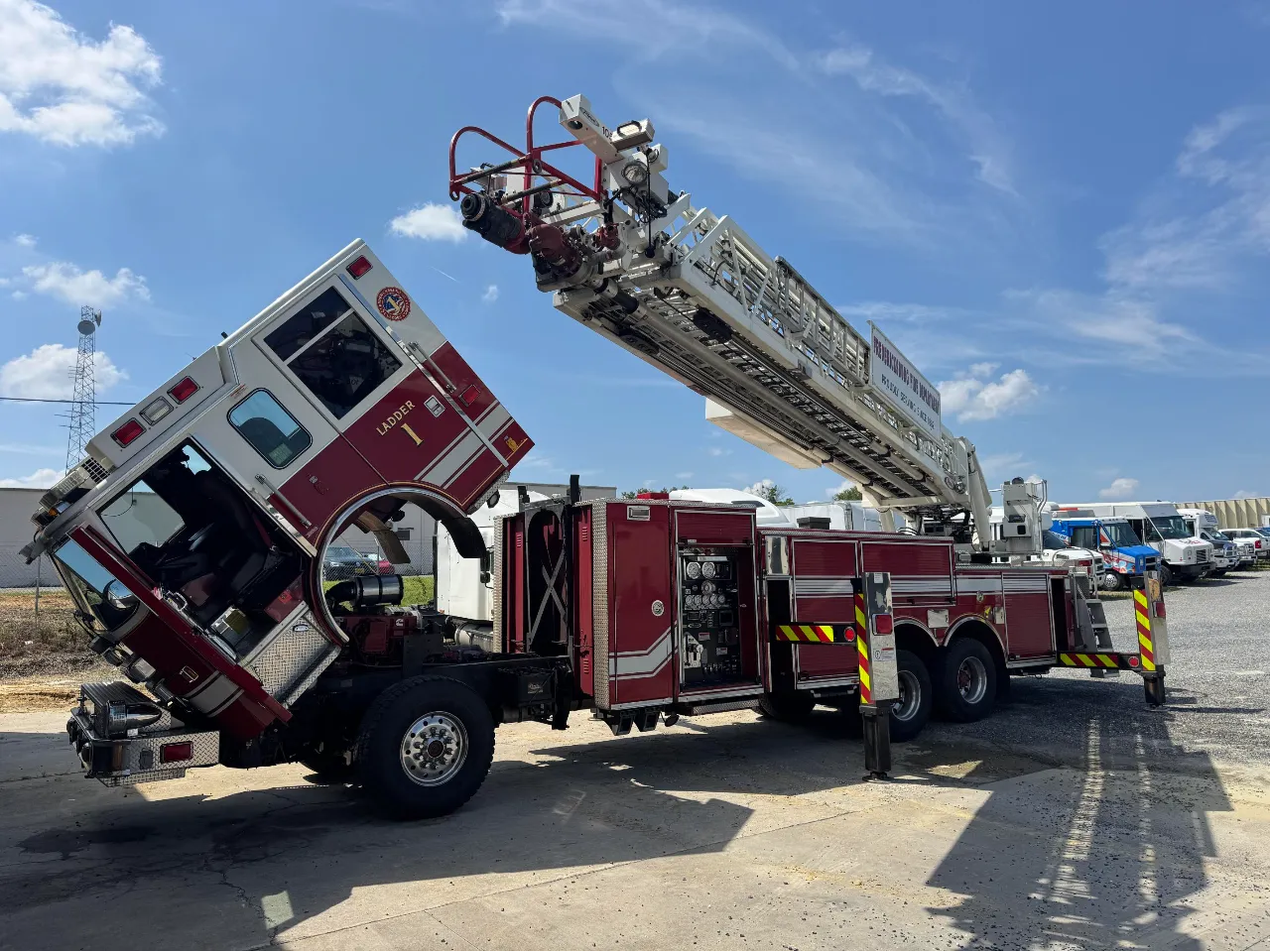
Emergency vehicles operate under conditions that few other fleet vehicles experience. Police cruisers, fire apparatus, ambulances, rescue trucks, and specialty response vehicles face long idle times, frequent stop-and-go driving, rapid acceleration, and demanding operating schedules. These conditions place significant stress on vehicle systems and make routine inspections essential.
That's where emergency vehicle audits come into play. These comprehensive evaluations help identify mechanical issues before they lead to breakdowns, safety concerns, or service interruptions. While every fleet is different, certain problems appear repeatedly during inspections and audits.
Here are some of the most common mechanical issues found during emergency vehicle audits and why they should never be ignored.
Brake System Wear and Adjustment Issues
Emergency vehicles depend on reliable braking performance. Whether responding to an emergency call or navigating heavy traffic, braking systems must perform consistently under demanding conditions.
Common brake-related findings include:
- Excessively worn brake pads or shoes
- Heat-damaged rotors or drums
- Air leaks in air brake systems
- Improper brake adjustment
- Damaged brake chambers
- Worn slack adjusters
- Corroded brake components
Frequent braking and heavy vehicle loads accelerate wear, making regular brake inspections a critical part of any emergency fleet maintenance program.
Cooling System Deficiencies
Emergency vehicles often spend extended periods idling while powering onboard equipment. This operating style places extra strain on the cooling system.
During vehicle audits, technicians frequently discover:
- Coolant leaks
- Low coolant levels
- Plugged radiators
- Damaged hoses
- Failing water pumps
- Malfunctioning fan clutches
- Deteriorated coolant condition
Heavy-duty cooling systems rely on proper coolant circulation and airflow to remove engine heat. When cooling components begin to fail, overheating risks increase substantially.
Electrical System Problems
Modern emergency vehicles contain significantly more electrical equipment than standard fleet vehicles. Emergency lighting, sirens, communication systems, mobile computers, cameras, and specialized equipment all place demands on the electrical system.
Common electrical issues uncovered during audits include:
- Weak batteries
- Charging system deficiencies
- Corroded wiring connections
- Damaged wiring harnesses
- Faulty alternators
- Improper equipment installations
- Excessive parasitic battery drain
Because emergency vehicles depend heavily on electrical reliability, even minor issues can affect operational readiness.
Suspension and Steering Wear
Emergency response vehicles regularly operate with heavy equipment loads and experience demanding driving conditions.
As a result, audits often reveal wear in key suspension system components, including:
- Worn shock absorbers
- Damaged leaf springs
- Loose steering components
- Excessive suspension movement
- Worn bushings
- Alignment issues
Suspension problems not only affect ride quality but can also impact vehicle handling, braking performance, and tire wear.
Tire and Wheel Issues
Tires play a major role in vehicle safety, yet they remain one of the most commonly overlooked maintenance items.
Frequent audit findings include:
- Uneven tread wear
- Low tire pressure
- Sidewall damage
- Improper tire matching
- Wheel damage
- Misalignment-related wear patterns
Because emergency vehicles must respond quickly and safely under all conditions, tire condition is closely evaluated during every fleet vehicle inspection.
Fluid Leaks and Fluid Contamination
Vehicle fluids perform critical functions involving lubrication, cooling, and hydraulic operation. Audits often uncover fluid-related concerns that may not yet have produced noticeable symptoms.
Common findings include:
- Engine oil leaks
- Coolant seepage
- Transmission fluid leaks
- Differential lubricant leaks
- Power steering fluid leaks
- Contaminated fluids
- Low fluid levels
Heavy-duty vehicles rely on proper lubrication and cooling to protect major components. Routine fluid inspections help identify developing problems before they become costly failures.
Air Intake and Filtration Problems
Emergency vehicles frequently operate in dusty environments, construction zones, and heavy traffic. These conditions can accelerate contamination within air intake systems.
Audits commonly identify:
- Restricted air filters
- Damaged intake tubing
- Loose intake connections
- Debris intrusion
- Poor filtration performance
A restricted engine air filter can reduce performance, increase fuel consumption, and contribute to premature engine wear.
Transmission and Driveline Concerns
The constant stop-and-go operation of emergency vehicles can place additional stress on driveline components.
Technicians often discover:
- Driveshaft wear
- Universal joint deterioration
- Transmission fluid degradation
- Differential issues
- Excessive driveline vibration
- Carrier bearing wear
Routine inspections help identify these concerns before they lead to unexpected downtime.
Excessive Engine Idle-Related Wear
One issue unique to many emergency fleets is excessive engine idling.
Emergency vehicles may spend hours each day operating equipment while stationary. While necessary for operations, prolonged idling can accelerate wear on several systems.
Common idle-related concerns include:
- Carbon buildup
- Reduced fuel efficiency
- Increased cooling system strain
- Battery charging issues
- Engine wear from extended run times
Vehicle audits often review both mileage and engine hours to obtain a more accurate picture of overall vehicle usage.
Why Emergency Vehicle Audits Matter
Unlike standard commercial vehicles, emergency response vehicles must remain ready for service at all times. A mechanical failure during an emergency response can create significant safety risks and operational disruptions.
Comprehensive emergency vehicle inspections help agencies:
- Improve vehicle reliability
- Reduce unexpected breakdowns
- Extend equipment lifespan
- Improve fleet safety
- Lower long-term maintenance costs
- Maintain regulatory compliance
By identifying issues early, agencies can schedule repairs proactively instead of reacting to failures after they occur.
Building a Strong Emergency Fleet Maintenance Program
The most successful emergency fleets combine regular inspections with preventive maintenance and detailed recordkeeping.
Best practices include:
- Scheduled vehicle audits
- Routine fluid analysis
- Brake system inspections
- Cooling system evaluations
- Electrical system testing
- Tire monitoring programs
- Engine hour tracking
These strategies help ensure vehicles remain ready to serve when they are needed most.
Reduce Mechanical Issues Across Fleets
Brake wear, cooling system deficiencies, electrical faults, suspension problems, tire issues, fluid leaks, intake restrictions, driveline concerns, and idle-related wear are among the most common mechanical issues uncovered during emergency vehicle audits.
Regular emergency vehicle audits provide valuable insight into fleet health and help identify developing problems before they affect operational readiness. For agencies in Sacramento and San Bernardino, CA, partnering with experienced fleet specialists like Derotic Emergency Equipment helps ensure emergency vehicles remain safe, reliable, and ready for service.
To learn more about emergency vehicles, read our article on fire truck PTO problems.
Contact Derotic Equipment
We're your one-stop shop for emergency and commercial vehicle repair and maintenance services in Rancho Cordova, Sacramento & San Bernardino, California. Get in touch with us today to schedule repairs or inquire about sales.